“Robots of the 80s introduce us to a wondrous yet dystopian vision of science fiction future in the video for “I Want To Be … It’s a fascinating watch and listen”. Queen City Sounds and Art, Denver, CO.
“As much as it will remind you of the German pioneers, this project has a thing of its own. I took the time to listen to “I want to be” a few times until I concluded that Robots is a faster paced, more playful, more energetic “band” than some of its influences. The harmonies though closely resemble indeed Kraftwerk’s most recognizable moments. Still, Robots add to those features a harder beat as a sort of update to that classic material. This is such an interesting track, as not a lot of artists are going nowadays in this direction, where there’s still a good deal to explore.” Daniel Flores (Co-editor-in-chief Rolling Stone, Latin America and Spain).
“Robots of the 80s – creating electronic robot pop on “I Want To Be”. Zero Music Magazine, Sweden.
“A clear homage to Kraftwerk’s pioneering work, but with a more recent melody. Vocoders, arpeggios. What a show!”. Parkett, Italy.
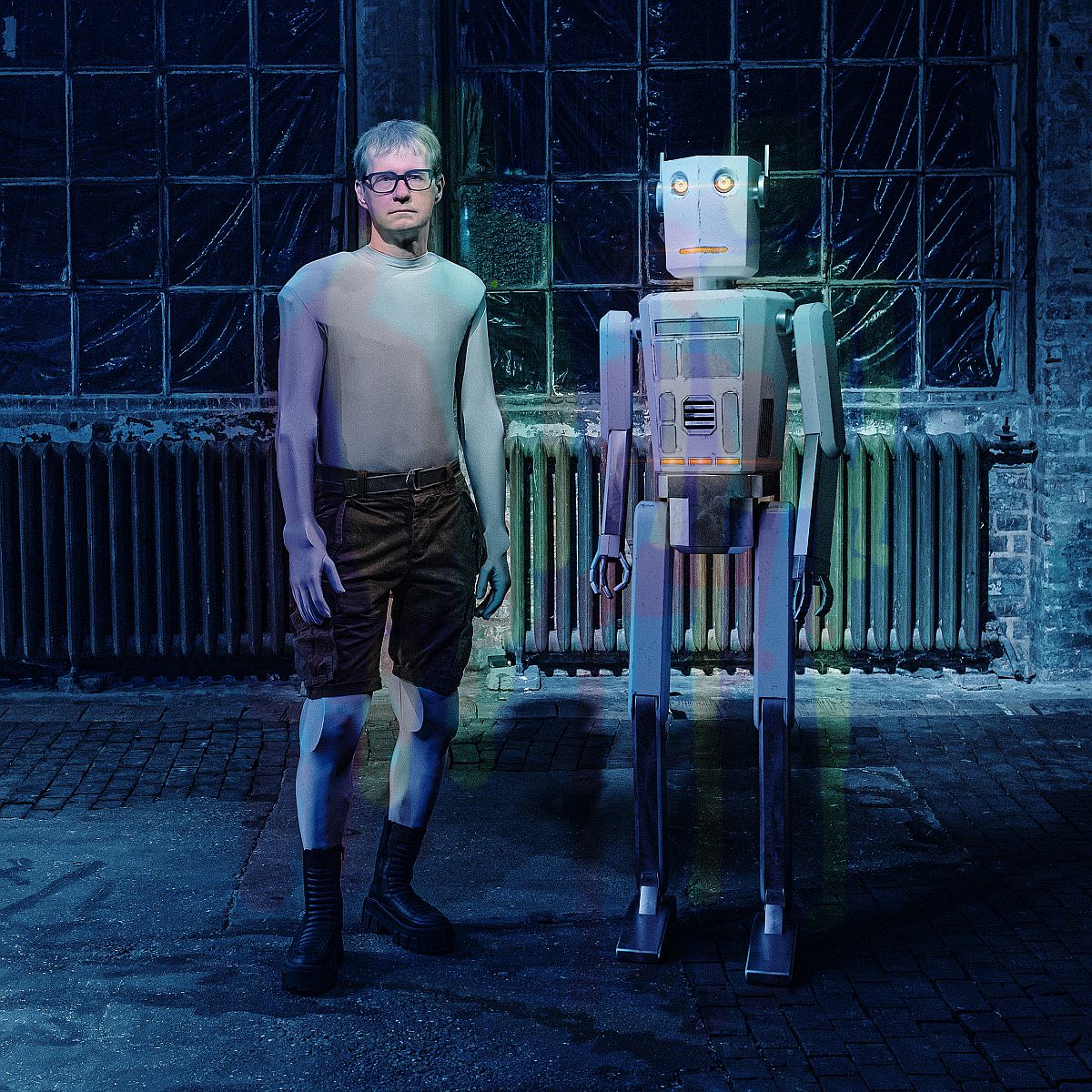
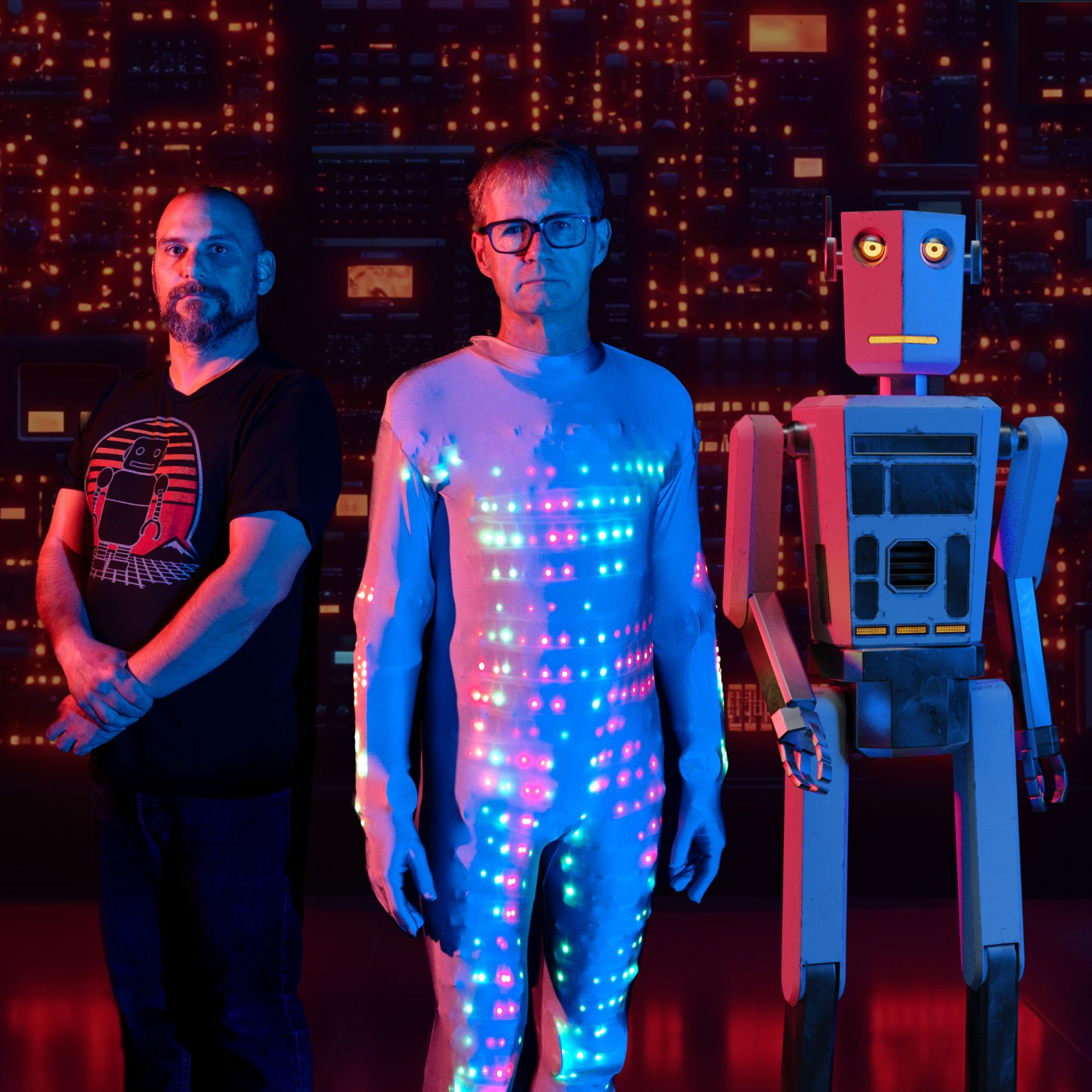
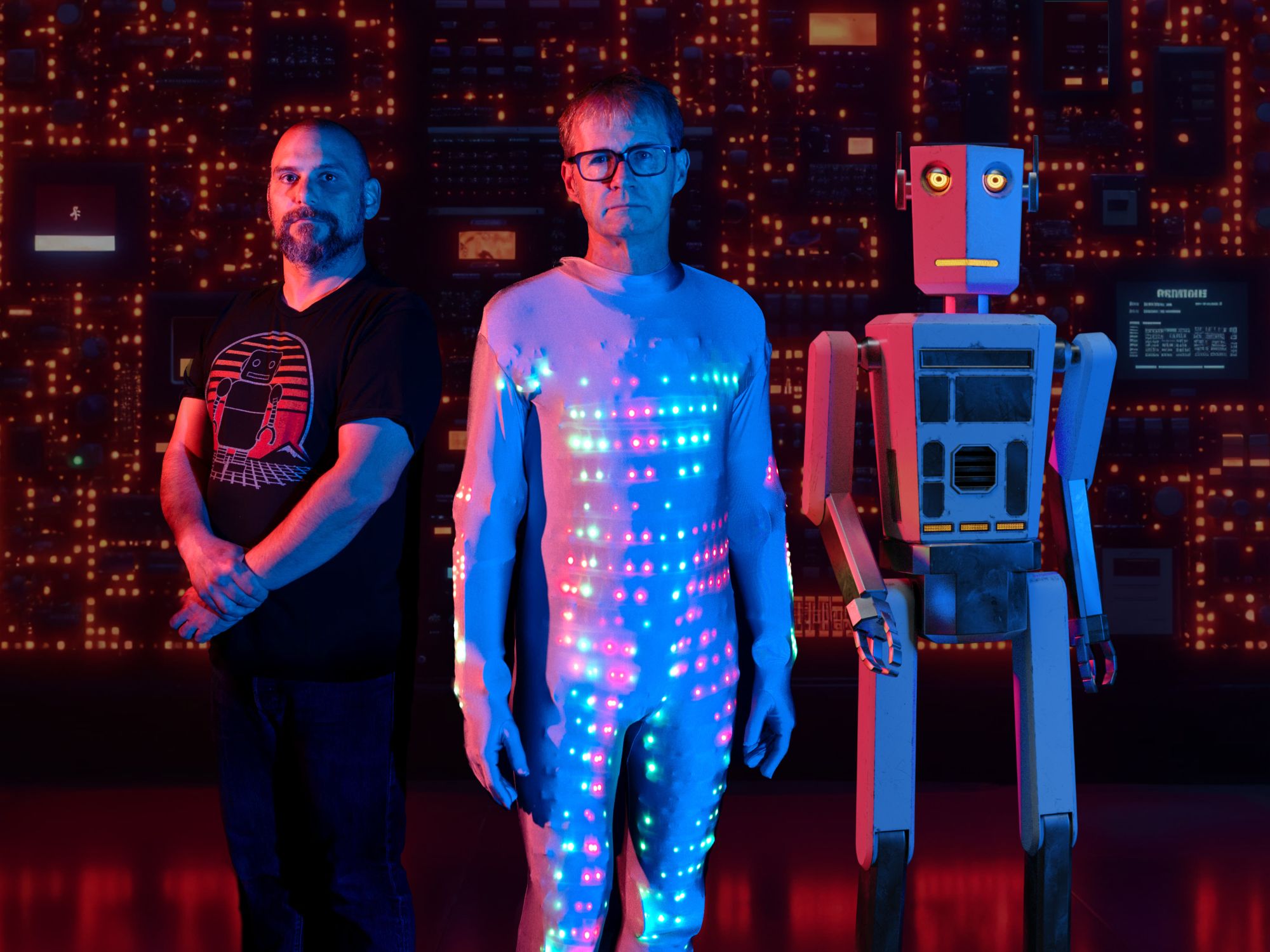
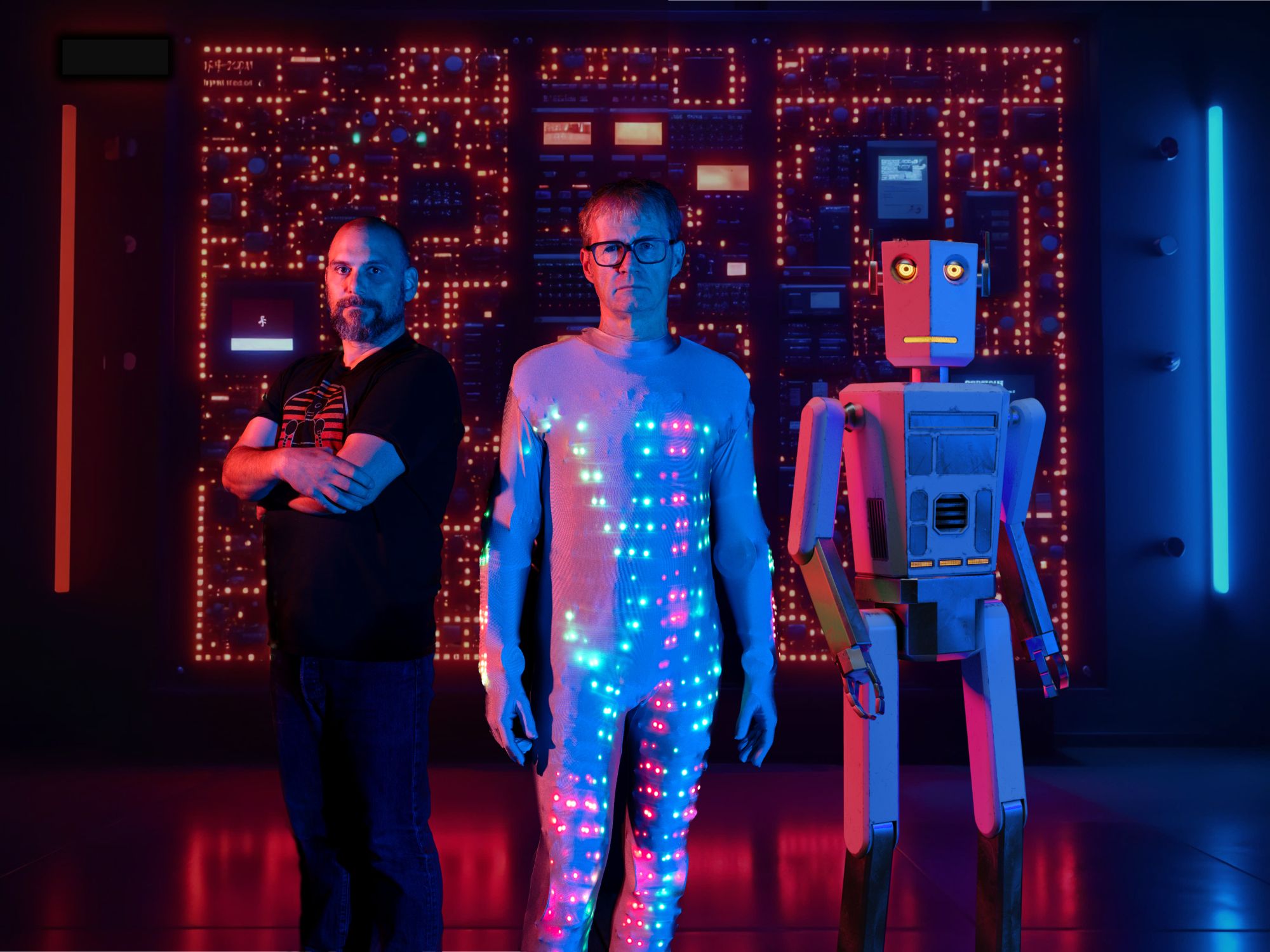
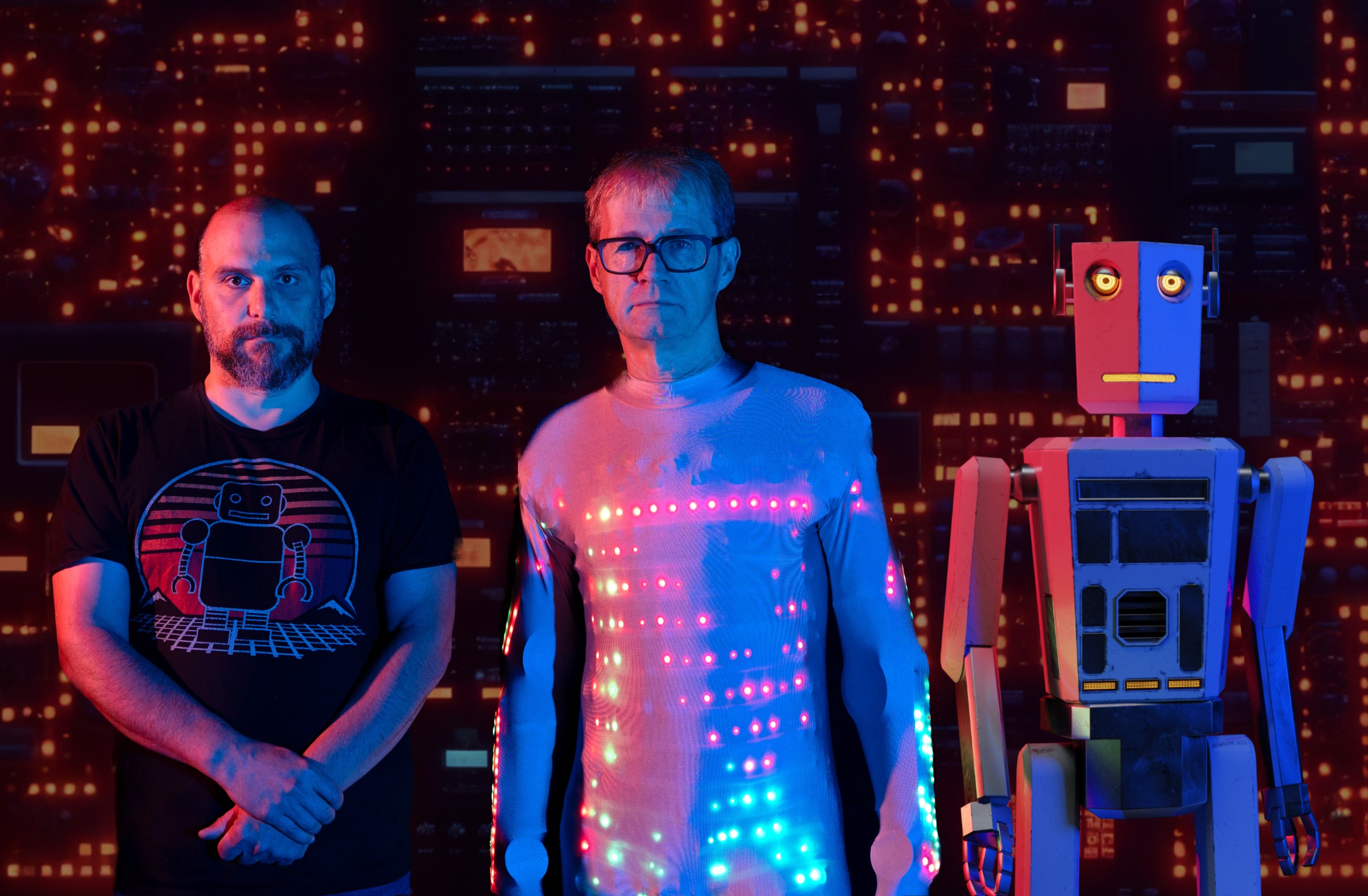
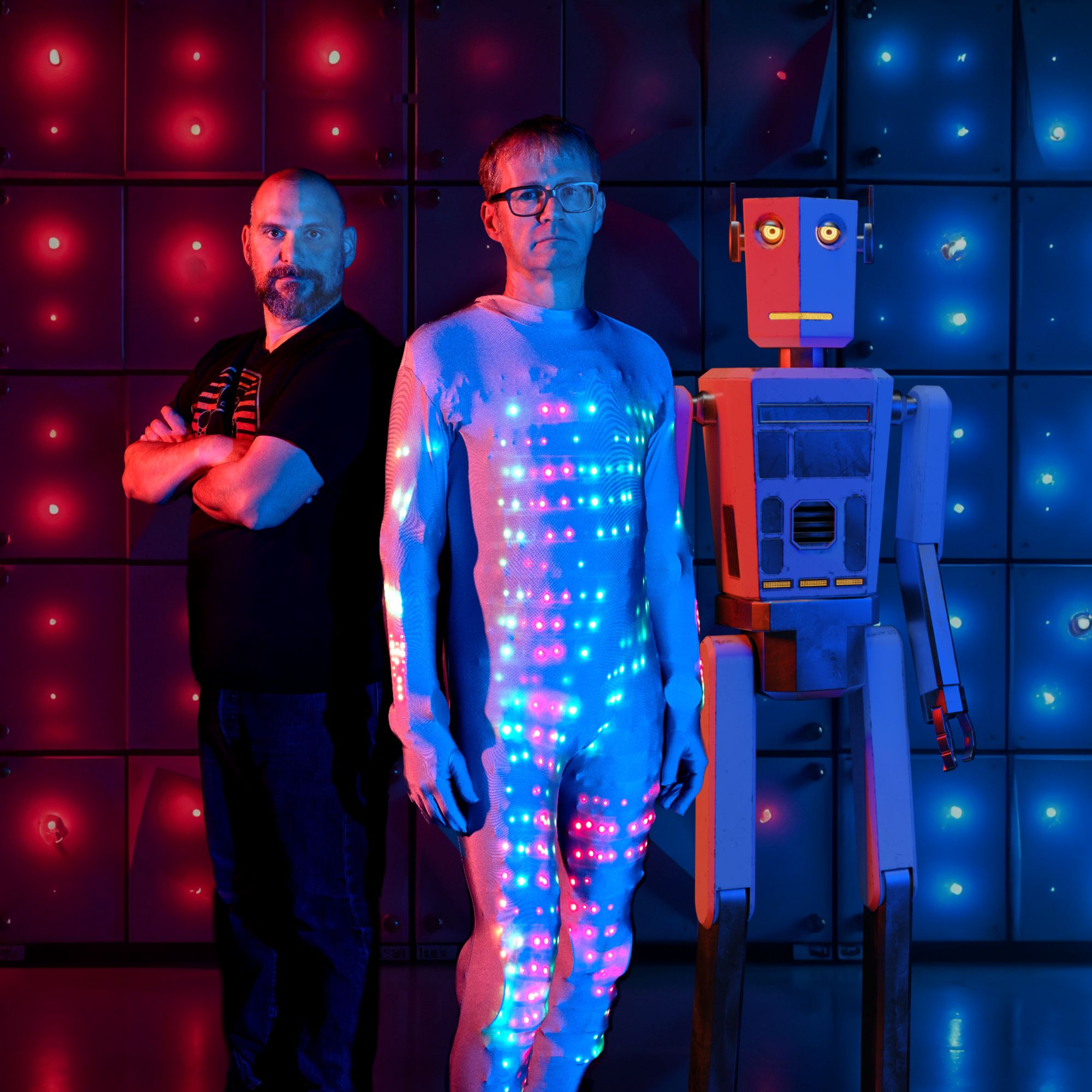
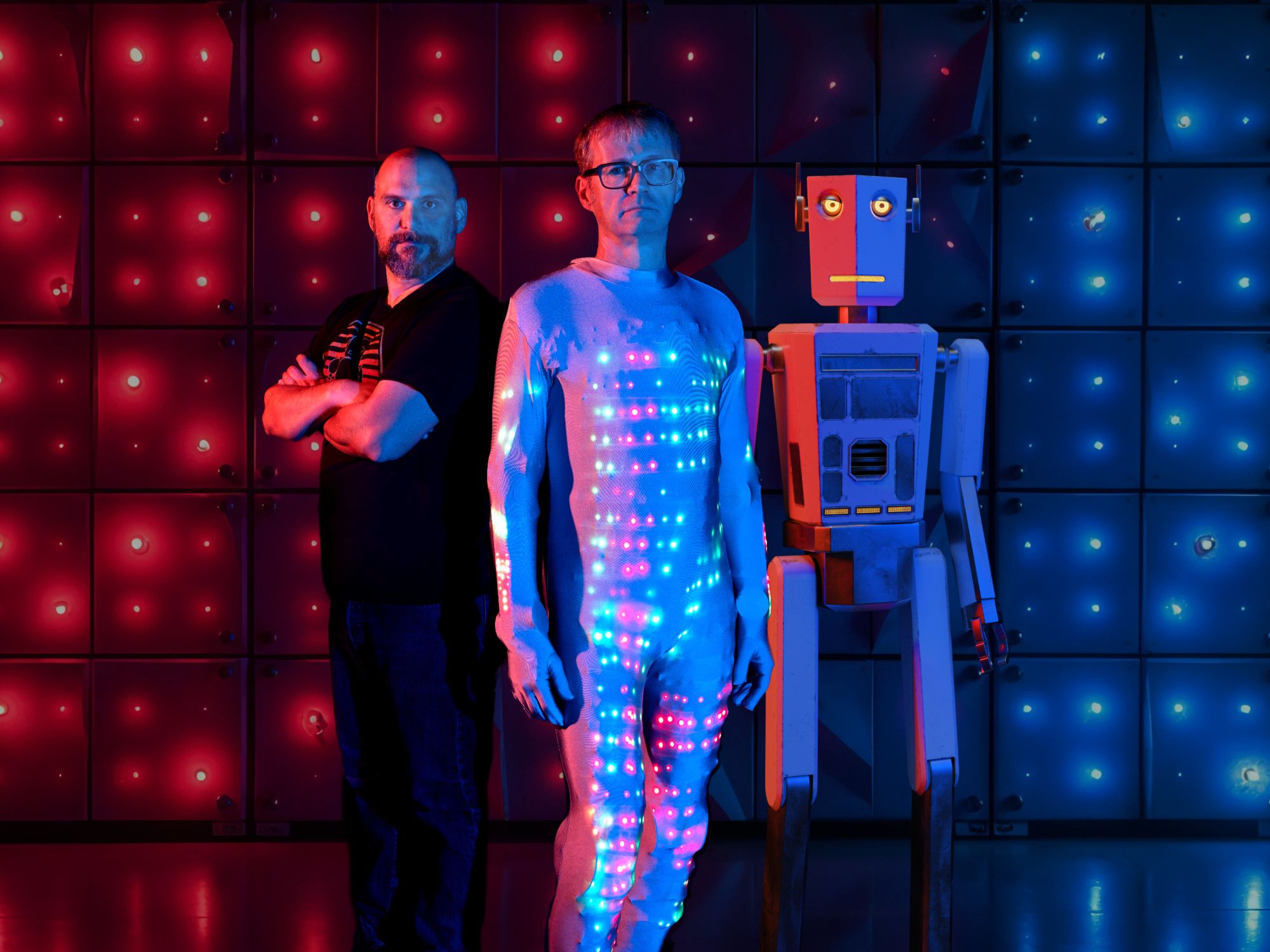
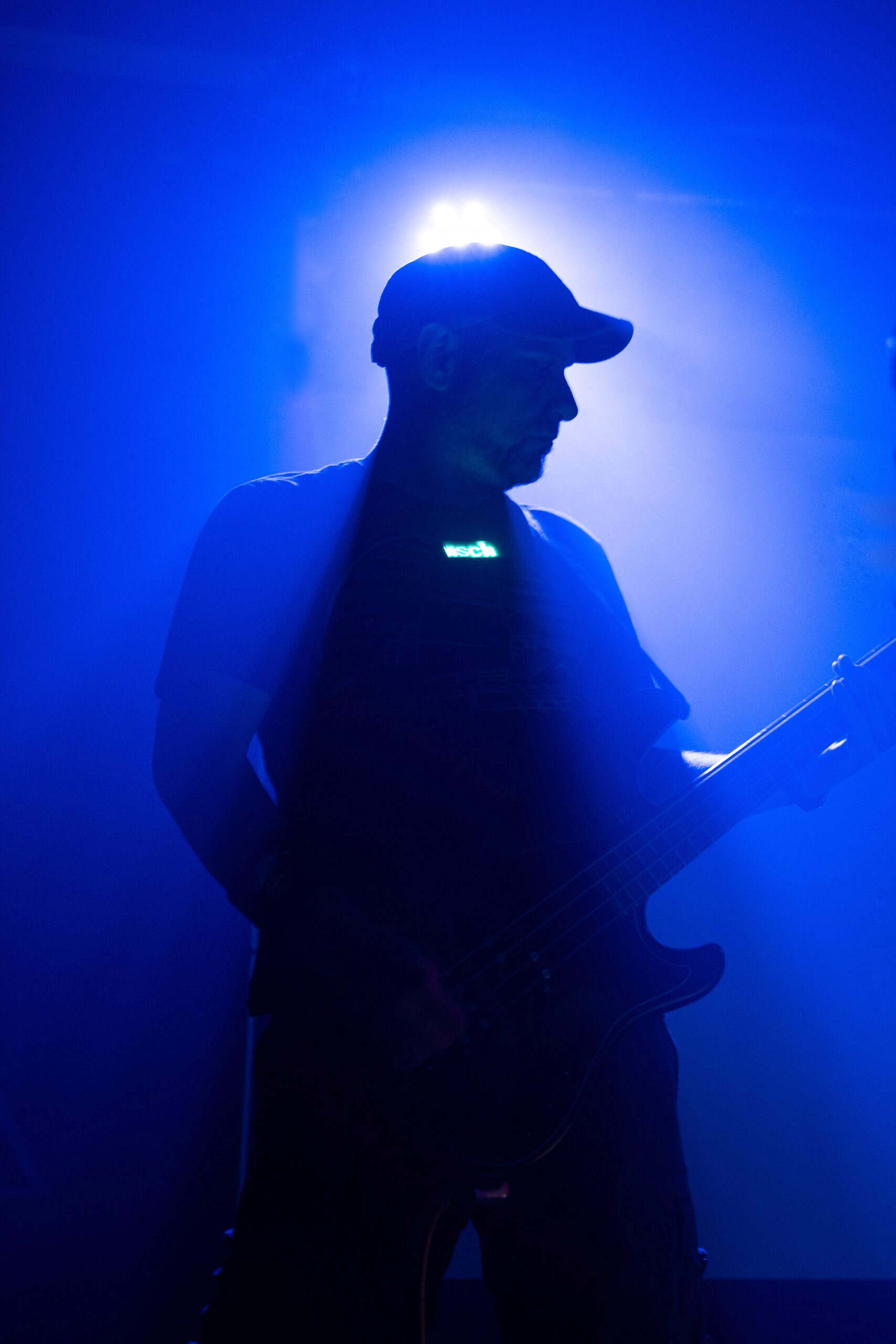
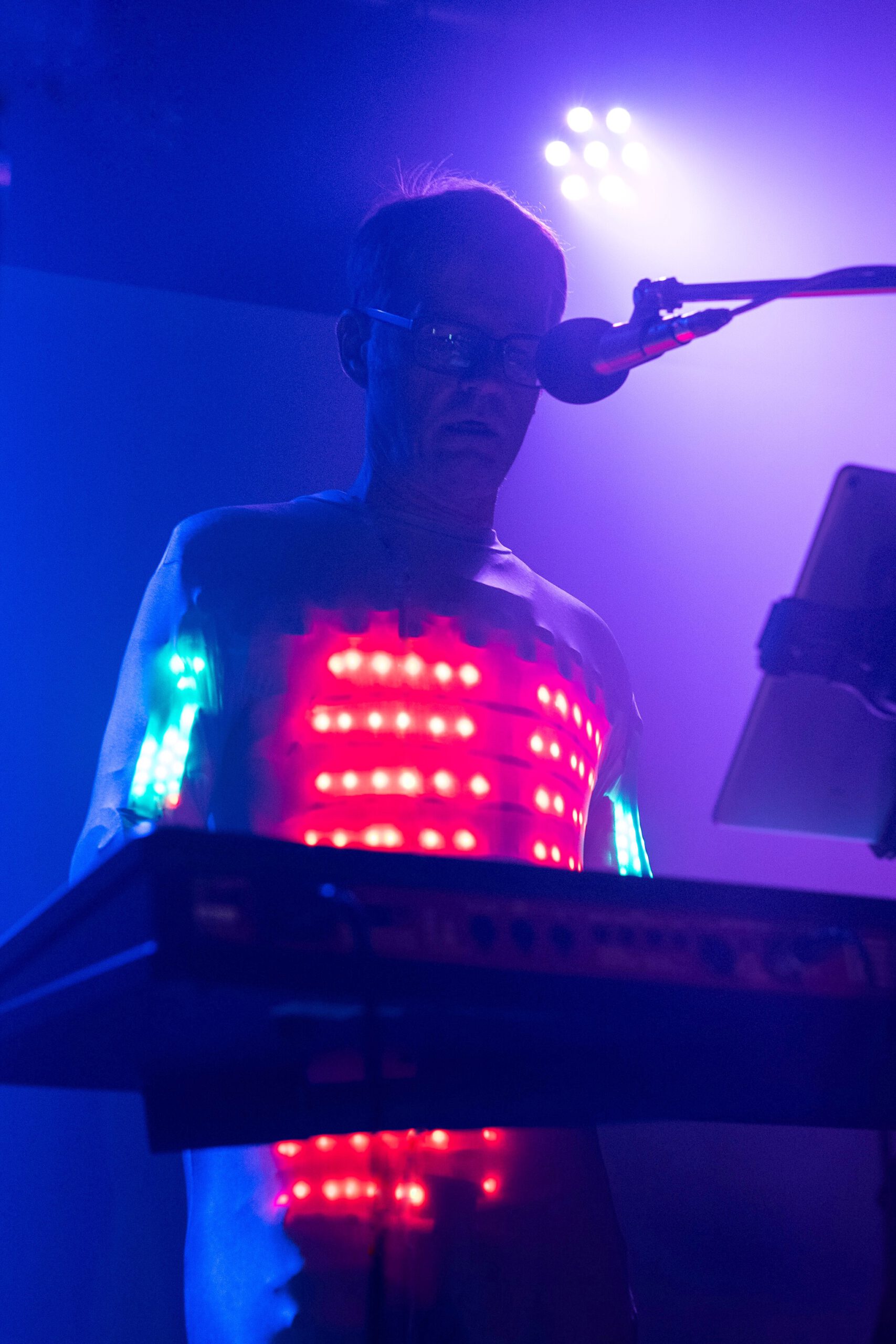
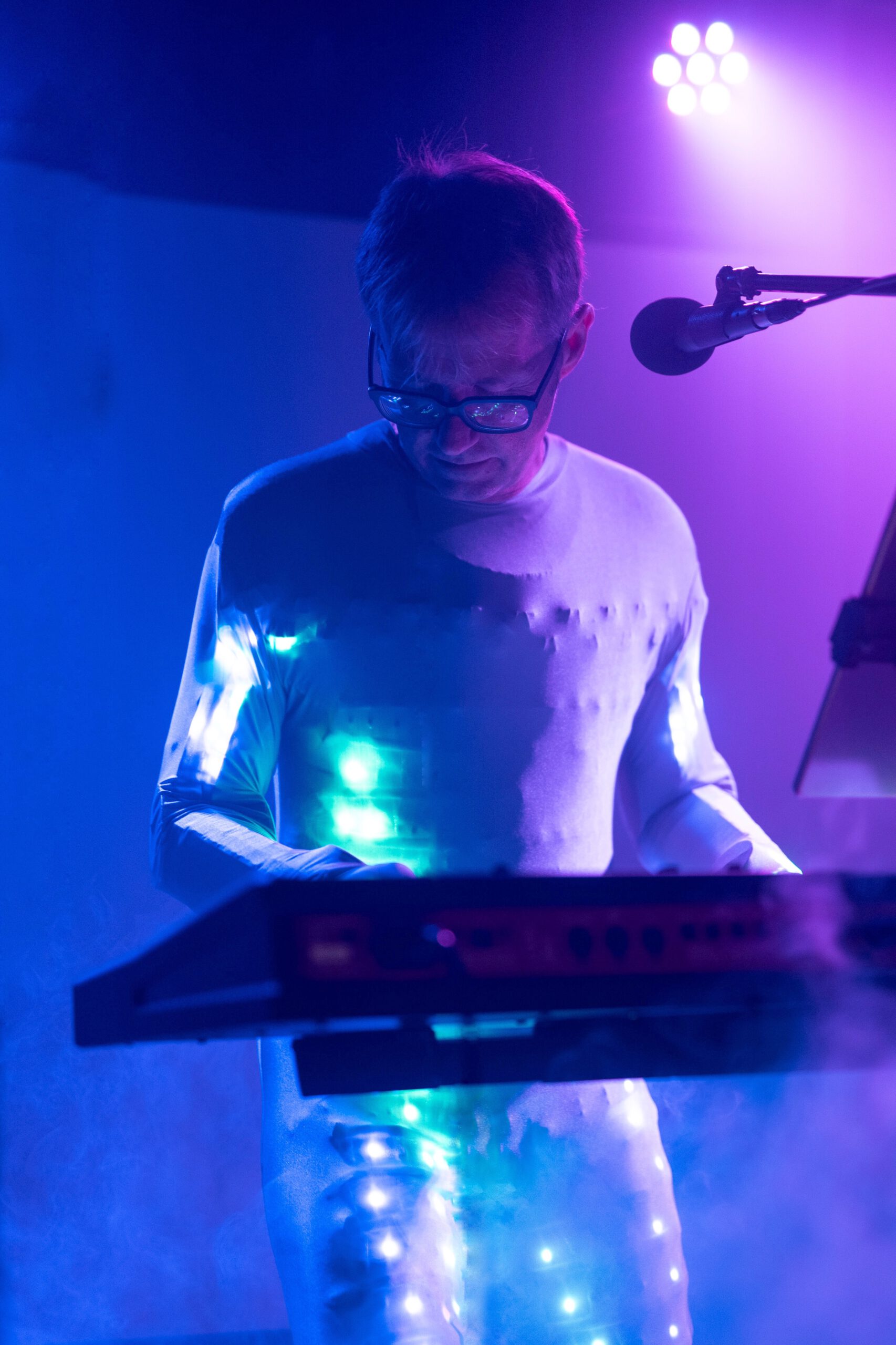
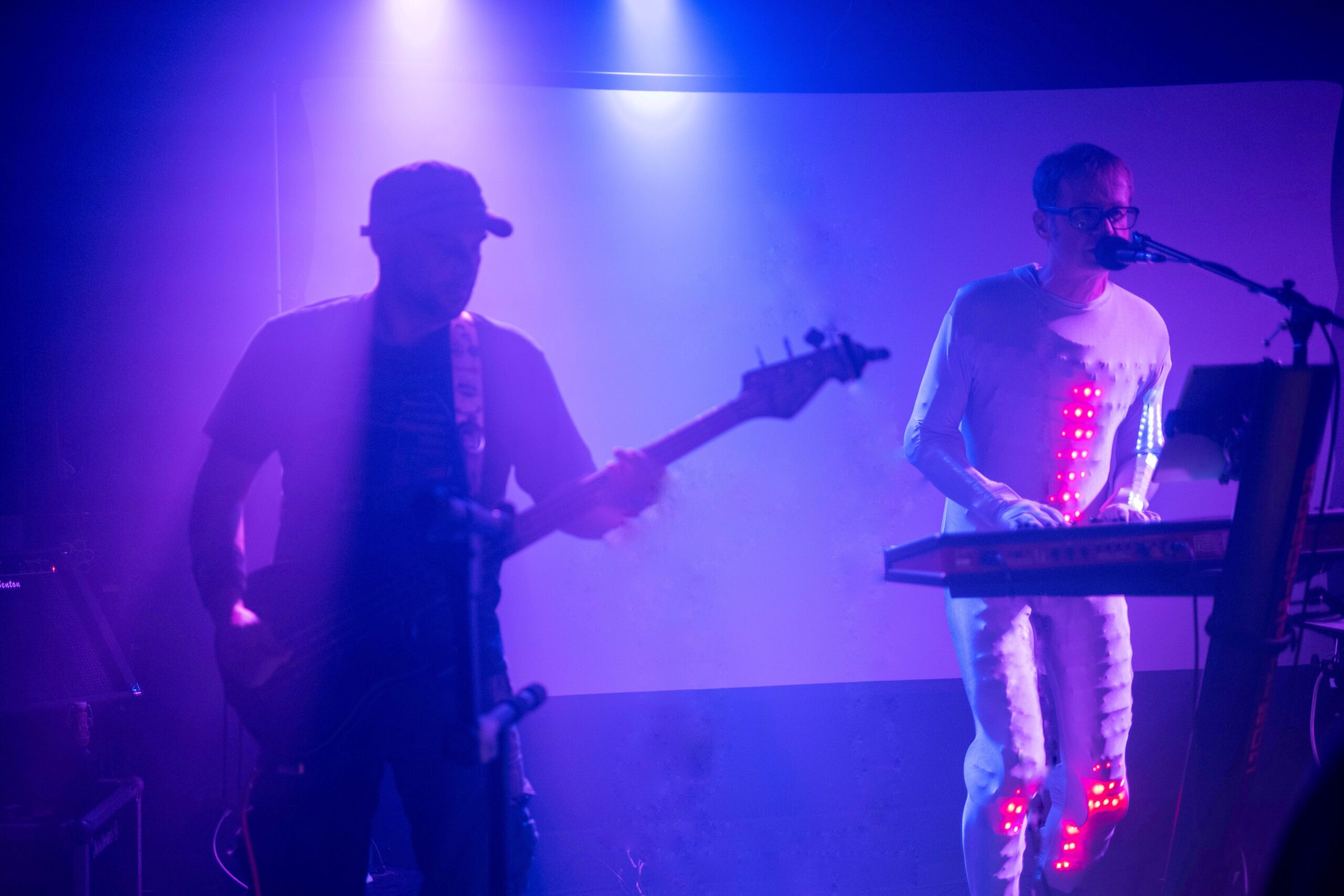
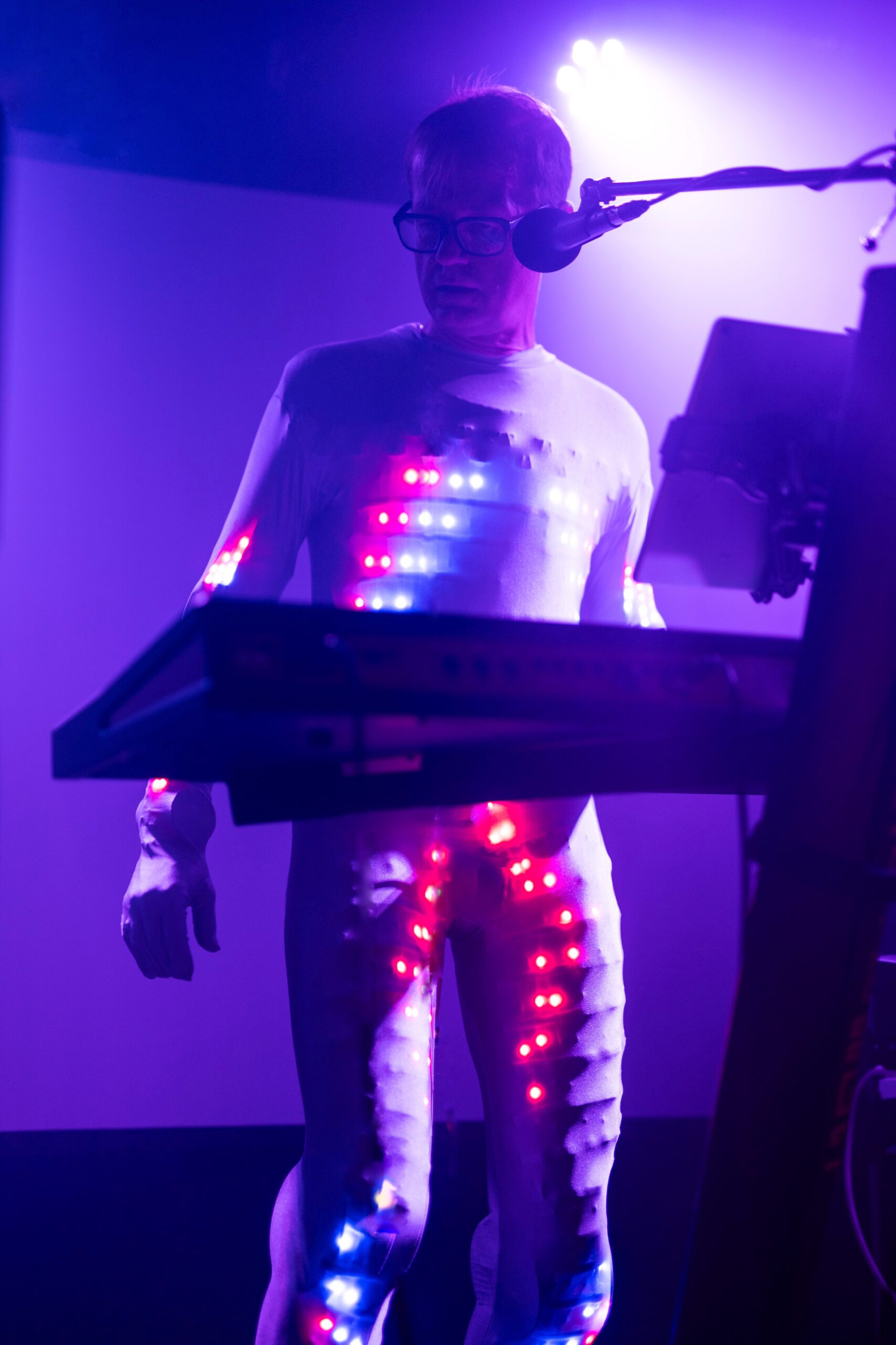
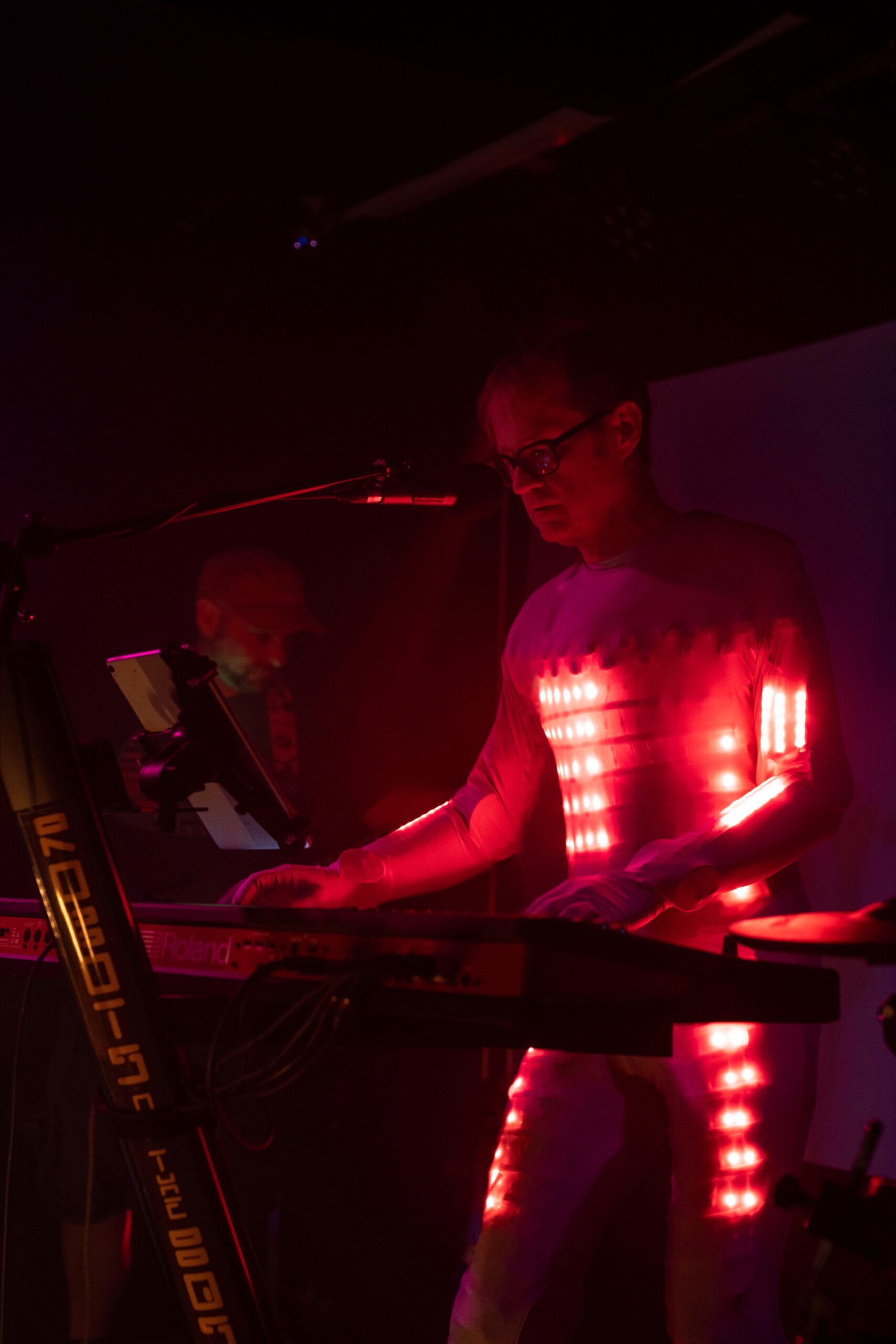
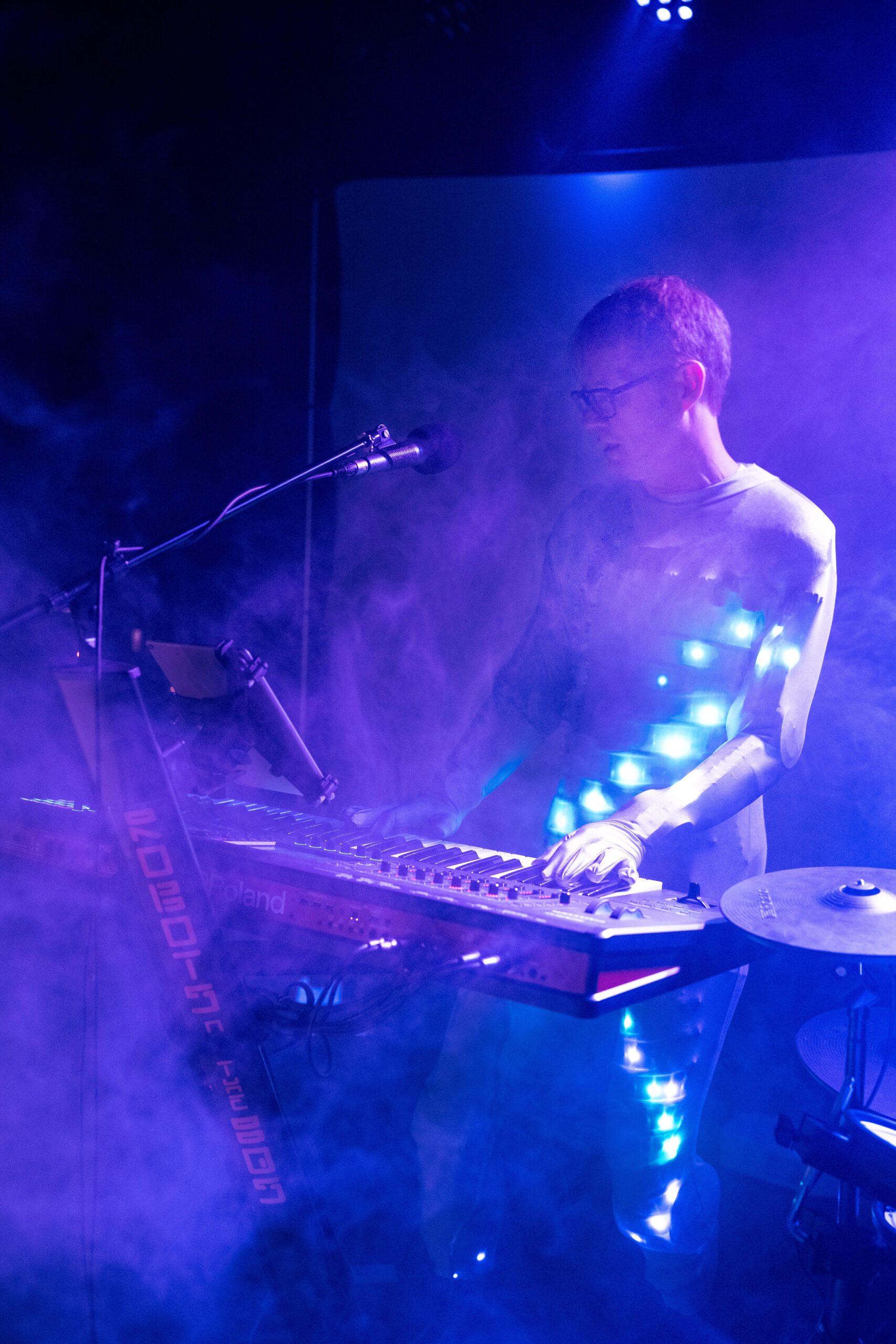
Humans and their beloved machines: from the rising tide of AI to the tender empathy of robots like Klara in Kazuo Ishiguro’s Klara and the Sun, Robots of the 80s explore stories of love and loathing, concern and consideration. The band’s lineup features two imaginary robots—Xaio and Rael—and one very real human: bassist David L. Together, they embody a concept-driven music project conceived by AI researcher and musician Heiko Wersing, who fuses two decades of work with advanced robotics with his musical roots as co-founder of the late-80s gothic band The Escape.
Musically, Robots of the 80s channel the minimalist beauty of classic synthpop. Their sound evokes the analog yearning of the 1980s, interwoven with the digital sensibilities of the new millennium. Their use of machine instrumentation is never gimmick—it serves the music’s emotional core, balancing warmth and futurism through vocoder-laced vocals and strong melodic hooks.
Their debut album, Chance of a Lifetime, received acclaim across music blogs and social media, enhanced by the visually striking music video for the single “I Want to Be”, which was featured at the Oscar-qualifying Amdocs 2024 Festival in Palm Springs. The band’s retro-futuristic aesthetic even extends to typography: they created a custom font to visually define their identity.
Their forthcoming second album, Logic Drama (October 2025), marks a bold artistic evolution. With the addition of bassist David L and lead vocals on the singles “Elevate” and “Klara” by Sylvia Wersing—frontwoman of the acclaimed German-British indie band Chorusgirl—the band reaches new emotional and sonic heights.
From the very first note, it’s clear that Robots of the 80s deeply understand and love the synthpop era. Their inspirations span from Kraftwerk, Propaganda, and The Human League, to Italo Disco, yet their sound never feels derivative. Instead, they bring personality, precision, and passion—making them not just a nostalgic echo, but a vital and contemporary force in 2025.
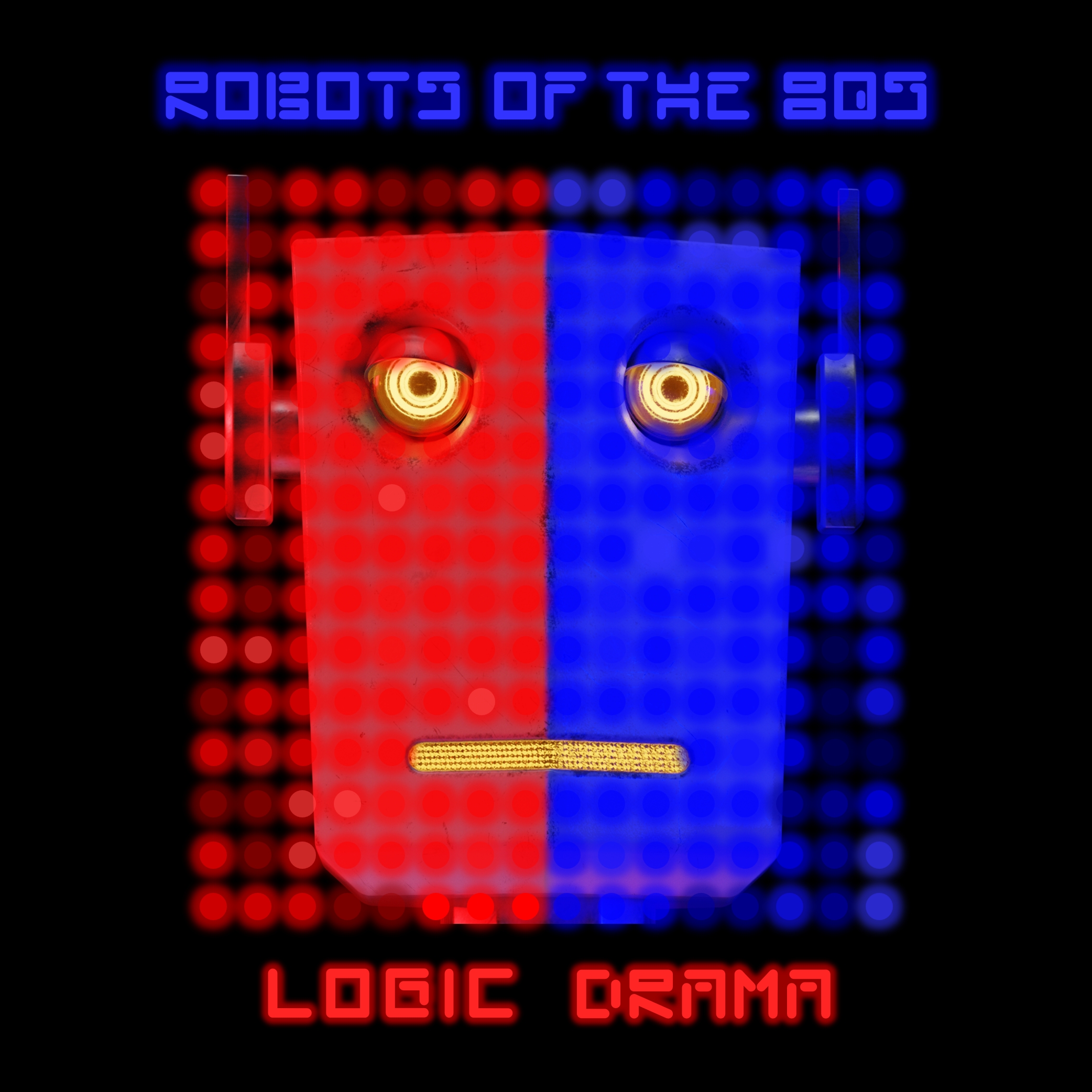
Human or machine – where are the boundaries, and what does that mean for us?
The second Robots of the 80s album, Logic Drama, places this question at its core, exploring it across eight songs that rethink the space between artificial and genuine emotion. Where Kraftwerk laid the foundations nearly 50 years ago, Robots of the 80s carry the idea into a new era—straight into today’s dramatic explosion of AI. Their sound blends the iconic 80s synthpop aesthetics of acts like The Human League and Propaganda with contemporary drive and urgent modern themes.
Heiko Wersing, the creative mind behind Robots of the 80s, grew up immersed in Asimov’s robot stories, accompanied by Kraftwerk’s Mensch Maschine. Today, as a “mad professor,” he researches intelligent, learning robots like Honda’s Asimo—while envisioning a positive technological future for our world. With Logic Drama, he distills these ideas into an emotionally charged dialogue between human and machine, carried by catchy melodies and propulsive beats. The expanded lineup—with bassist David L. and the striking vocals of Sylvia Wersing (Chorusgirl) on the singles Elevate and Klara adds new depth to the album.
Elevate opens with dark, dystopian synths and a provocative exchange between human and robot. A seemingly optimistic chorus follows — yet the insistent call to “Elevate” raises a worrying question: In the race with AI, is our humanity being left behind? Award-winning video artist Lorenz Foth brings the song to life in a playfully animated yet atmospherically dark music video.
Klara tells the story of the caring robot from Kazuo Ishiguro’s acclaimed novel Klara and the Sun. The track begins with floating synth textures before Sylvia Wersing’s clear, powerful vocals take over. Through the song’s layered structure, she gives impressive voice to Klara’s warmth and unconditional empathy. In Digital Feelings, a robot wanders through its secret emotions — lost between dramatic synth walls and an unstoppable, forward-driving beat.
With clear Italo-disco influences and a hint of Vangelis, We Are One celebrates the longing for connection beyond human boundaries. Code continues this idea with stark simplicity: over cool sequencer lines, it poses the provocative question of whether we are more than programmed protein machines. Hymn For Our Time addresses digital loneliness — rendered uncompromisingly as a chiptune anthem. Last Word then strikes a more melancholic tone: a classic new-wave synth track about lost friendship and isolation.
The album closes with The Workshop—the iconic escape of a pressured robot fleeing the workshop into freedom. A finale that forcefully reopens the album’s central question: What does it mean to be human—and where is the machine leading us?
Release date: February 6, 2026
Tracks:
01. Elevate (3:18)
02. Klara (4:44)
03. We Are One (3:29)
04. Last Word (4:26)
05. Digital Feelings (3:23)
06. Hymn For Our Time (4:28)
07. Code (3:57)
08. The Workshop (4:37)
Artist: Robots of the 80s
Title: Logic Drama
Format: Album
Region: Worldwide online release
Style: Synthpop, Synthwave, New Wave
GTIN: 4068992571973
Publisher: Robots of the 80s
Distributor: recordJet
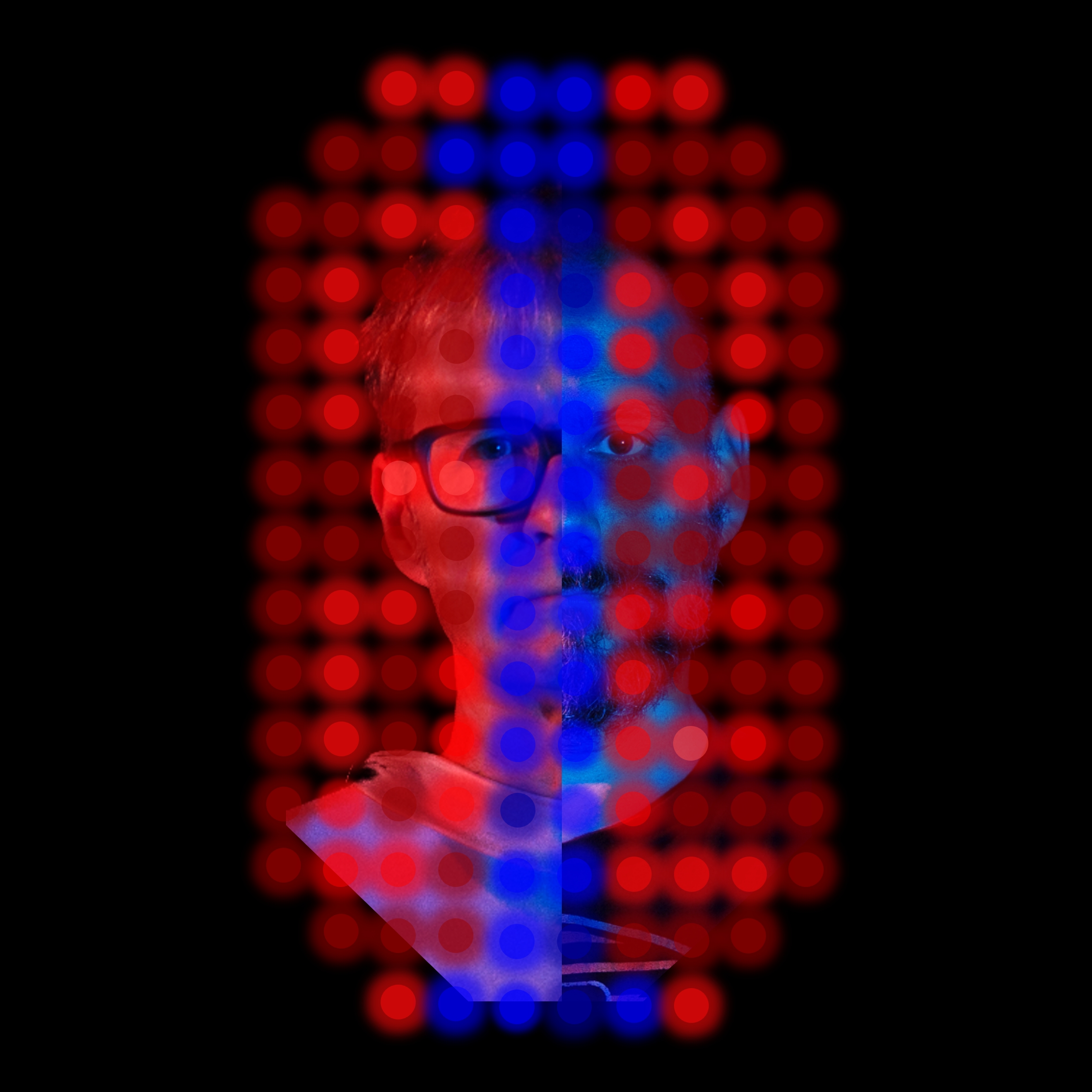
“What determines who we are? Chance, fate – or a code? With their new single Code, Robots of the 80s take up a question that is more relevant today than ever and translate it into an atmospheric, modern synthpop track with a clear 80s DNA.
“Code” plays with the fascinating parallel between humans and machines: while robots are controlled by precise programs, humans also follow an invisible code — our DNA. A few gigabytes of information that shape our lives, our personalities, and our possibilities. The song draws this connection and asks: What truly lies behind all these codes?
Sonically, “Code” begins cool and structured, driven by propulsive sequencers with a clear logic. But soon melody and emotion break free from the tight grid. Machine-like precision meets human longing — until the chorus makes one thing clear: it’s not the code alone that matters, but what we make of it. Humans and machines are not opposites, but part of a shared story.
As the third single from the album “Logic Drama,” set for release in February, “Code” continues the thematic dialogue that Robots of the 80s began with “Elevate” and “Klara.” The sound confidently moves between the minimalist clarity of Kraftwerk and the grand, emotional synthpop moments of Propaganda or The Human League.
Release date: January 16, 2026
Artist: Robots of the 80s
Title: Code
Format: Single
Region: Worldwide online release
Style: Synthpop, Synthwave, New Wave
GTIN: 4068992606125
Publisher: Robots of the 80s
Distributor: recordJet

Tracks:
01. Code (3:57)
02. We Are One (3:29)
Elevate marks the second collaboration between Robots of the 80s and German animation artist Lorenz Foth, following the success of their debut video I Want to Be, featured at the Oscar-nominating American Documentary and Animation Festival 2024.
The video presents a dark, dystopian future where technology has overtaken human work. Samantha, one of the last humans in a robot-run high-rise, struggles to find meaning as machines occupy both factory floors and office desks. When her computer suddenly comes to life and confronts her, she is forced through a surreal chase of dialogue, song, and dance—until human and machine finally merge, leaving the outcome open to interpretation.
The film is a fully crafted 3D animation by Lorenz Foth, who handled all design, character work, rigging, and animation. Foth is a German animator based in Chihuahua, Mexico, known for his work on short films, series, immersive projects, and music videos, and for teaching animation and design at ISAD University.
Release date: November 2025
Director: Lorenz Foth, ISAD University Chihuahua, Mexico
Length: (3:42)
Available on Youtube
“Where do we belong in the dazzling future of AI?”
Robots of the 80s explore this question in their brand-new singles “Elevate” and “Klara”, featuring a powerful duet between their imagined robot voice and Silvia Wersing of the celebrated German-British indie band Chorusgirl. Together, they ask: What makes us human? Where do we go next? Is AI becoming the new religion of our time?
Blending the pulse of 80s synthpop and new wave—think Kraftwerk, Human League, and Propaganda—with a fresh futuristic edge, Robots of the 80s deliver with “Elevate” a track that is as haunting as it is uplifting.
With “Klara,” the second single from the upcoming album Logic Drama, Robots of the 80s give voice to the empathic and caring robot from Kazuo Ishiguro’s acclaimed novel Klara and the Sun.
The song continues our exploration of the ever-evolving relationship between humans and machines — a theme that feels more urgent than ever in the age of AI. Through music and visual art, we delve into what it means to feel, connect, and create in a world increasingly shaped by technology.
Release date: September 26, 2025
Artist: Robots of the 80s
Title: Elevate
Format: Single
Region: Worldwide online release
Style: Synthpop, Synthwave, New Wave
GTIN: 4068992513317
Publisher: Robots of the 80s
Distributor: recordJet
Tracks:
01. Elevate (3:18)
02. Klara (4:44)
Responsible Publisher (§5 TMG)
Heiko Wersing
Wingertstrasse 24
60316 Frankfurt
Germany

